
BAX AV INSIGHTS
MAKE YOUR EVENT AV WORK HARDER
Spend smarter. Deliver better. Focus your AV investment where it makes the biggest difference to the audience experience.
Spend Smarter, Deliver Better
Event budgets are under pressure, expectations remain high and organisers have plenty of decisions to make before the doors open. From venue selection and staging to screens, sound, lighting and livestreaming, every element needs to earn its place.
For some Australian event businesses, recent years have also brought difficult commercial conditions. That makes careful planning and getting value from every dollar more important than ever.
But making a budget work harder doesn’t necessarily mean cutting costs across the board. It means understanding where technology can improve the experience, where a simpler solution will do the job and how the different elements of your production work together.
The goal isn’t to use more tech. It’s to get more value from the tech you choose.
At Bax AV, we believe the best results start with understanding the event, the audience and what the organiser wants to achieve. From there, it’s about building an AV solution that delivers on those priorities.
Article Snapshot
Category: Event AV Planning & Budgeting
Read time: 7–9 minutes
Best for: Conference organisers, corporate event teams, venues, gala dinners and awards events.
In this article
01. Start With the Experience
02. Where to Invest Your AV Budget
03. Get the Sound Right
04. Match Screens to the Room
05. Use Lighting More Effectively
06. Plan Hybrid & Streaming Early
07. Make the Budget Work Across the Event
08. Avoid False Economies
09. Choose Technology That Can Adapt
10. Why Your AV Partner Matters
Start With the Experience, Not the Equipment
It’s easy to get caught up in the latest technology. Bigger LED walls, more elaborate lighting, interactive displays and additional production elements can all look impressive on paper.
But before committing, ask a simple question: What will this add to the event?
If you’re running a conference, delegates need to hear the speakers clearly, see the presentations and follow the program without distractions. If you’re hosting an awards night, lighting, staging and screen content might play a bigger role in creating atmosphere and building anticipation.
A product launch may benefit from a more visually striking production, while a board meeting could need little more than reliable audio, clear presentation screens and straightforward technical support.
Each event has different priorities. The right AV setup should reflect this.
Start by identifying the moments that matter most to your audience. Then invest in the technology that helps deliver this well.
Where Should You Invest Your Event AV Budget?
There is no single formula for allocating an AV budget. The right balance depends on your venue, audience size, program and production requirements.
However, a few areas deserve particular attention.
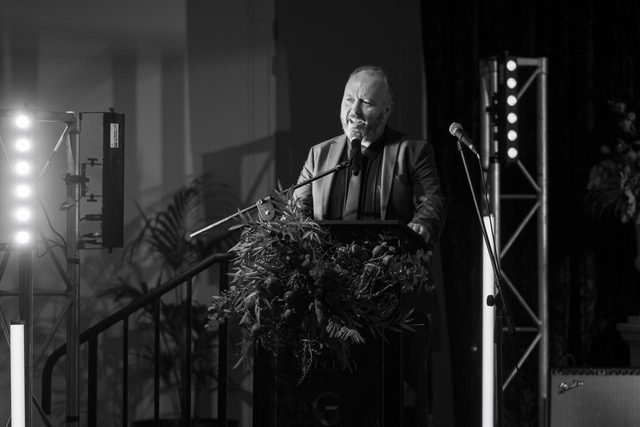
1. Get the Sound Right
Audio is one of the most important parts of any live event, yet it can be easy to underestimate.
A visually impressive presentation won’t make much impact if delegates struggle to see or hear the speaker. Poor microphone levels, uneven sound coverage and feedback can also quickly become distractions.
Investing in an appropriate audio system, well-positioned speakers and experienced agile technicians helps ensure the message reaches the audience clearly and immediately if the experience needs a tweak in the moment.
For conferences with panel discussions, multiple presenters or audience questions, the microphone setup and how it is managed can make a significant difference.
Good audio isn’t always the most visible part of a production, but people notice quickly when it doesn’t work.
2. Match Your Screens to the Room
LED walls and large displays can create a strong visual impact, but bigger isn’t always better.
Screen size, placement, viewing distance, room layout and the type of content being presented all influence what works best.
A large conference may benefit from multiple screens so delegates can comfortably read presentation slides from different parts of the room. A smaller meeting might be better served by a well-positioned display or projection system.
The key is to choose a visual solution that suits the space and helps the audience engage with the content and/or speaker.
An experienced AV team can assess a room and recommend an appropriate setup before you commit to equipment that may be unnecessary for your event.
3. Use Lighting to Do More Than Illuminate the Stage
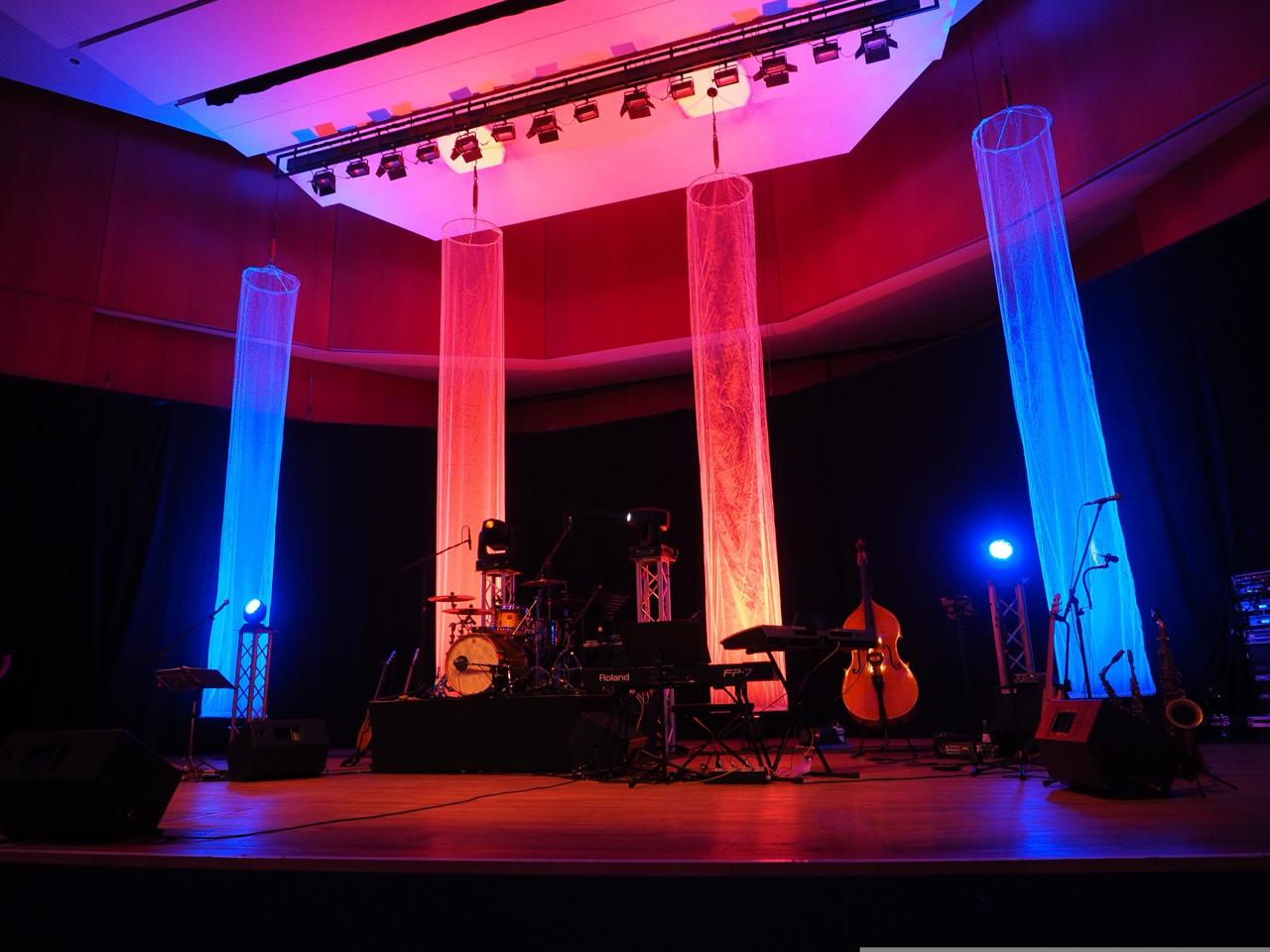
Lighting can transform the atmosphere of an event without the need for an expensive or elaborate stage design.
A carefully planned lighting design can help elevate a space and help presenters to stand out, reinforce event branding and create a clear transition between conference sessions, presentations and evening functions.
For multi-day conferences that move from business sessions to networking or awards, lighting can also help transform the same room for a different purpose.
Rather than treating each stage of the event as a separate production, consider how the lighting can adapt throughout the program. A flexible design may deliver more value than adding equipment that is used for only one short segment.
4. Plan Hybrid and Streaming Requirements Early
Livestreaming and hybrid production can extend an event’s reach, but the requirements need to be clear from the outset.
Are remote attendees expected to watch presentations, participate in discussions or ask questions? Will the event be recorded for later viewing? Do remote speakers need to appear on stage?
These decisions affect camera positions, audio routing, screen layouts, connectivity and crew requirements.
If the online audience is important, it needs to be considered in the production plan rather than added as an afterthought. Equally, if streaming isn’t going to add meaningful value, there may be no reason to include it.
The best approach is to build the technical requirements around how people will actually use the event.
Make Your AV Budget Work Across the Whole Event
One of the most effective ways to improve value is to look at the production as a complete system rather than a list of individual equipment items.
For example, a conference might use the same screens, staging and core audio equipment across several sessions. With the right planning, the room could then transition into an awards dinner or networking event using an adapted lighting design and revised screen content.
That requires coordination, but it can help avoid unnecessary duplication and make better use of the equipment already on site.
Multi-day events offer similar opportunities. A production designed with the full schedule in mind may be more efficient than treating every session as a separate setup.
There are practical considerations, of course. Room access, changeover times, crew requirements and the complexity of the program all affect what’s possible. The aim is to identify efficiencies without compromising the quality or reliability of the production.
This is where early conversations with your AV partner can pay off. Discussing the entire schedule before equipment is locked in gives the team more opportunity to identify options and make the budget work harder.
Avoid False Economies
Keeping costs under control is important but, cheapest isn’t necessarily always the best.
An undersized screen, inadequate sound coverage or an unsuitable technical setup can create problems that are difficult to fix once an event is underway.
The same applies to staffing. The right level of technical support depends on the complexity and risk of the production. A straightforward meeting and a multi-room conference with live streaming, multiple presenters and tight changeovers have very different requirements.
The answer isn’t to spend more on everything. It’s to understand which elements are essential, where there is flexibility and what could happen if a particular part of the production falls short.
A useful conversation with your AV provider should cover more than equipment and price. It should also address the program, venue limitations, technical risks and the experience you want to deliver.
That gives you a clearer basis for comparing proposals and making informed decisions.
Choose AV Technology That Can Adapt
Events rarely run exactly as planned. Speakers change, sessions overrun and room layouts evolve.
A flexible AV setup can make these changes easier to manage. Modular equipment, well-planned signal routing and a production team that understands the event can all help accommodate adjustments without requiring a complete rethink.
This is particularly valuable for organisations that run conferences, meetings or awards events regularly.
Instead of starting from scratch every time, consider which elements of your production can be adapted for different venues, audience sizes and program formats. A consistent approach can simplify planning and help you make more informed decisions over time.
Technology should support your event, not make it harder to manage.
Why Your AV Partner Matters
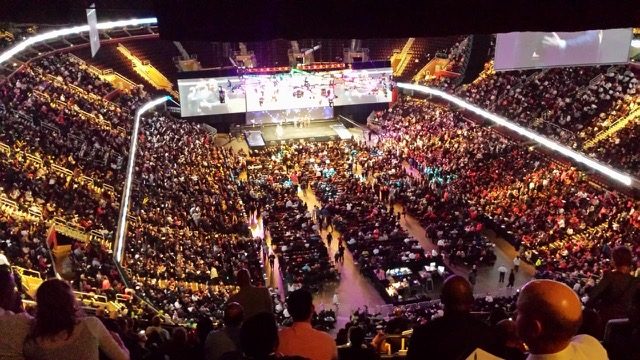
Equipment is only one part of a successful production. How it is selected, configured and operated matters just as much.
An experienced AV partner will ask questions about your objectives, audience, venue and schedule before recommending a solution. They should be able to explain the trade-offs, identify potential issues and suggest practical alternatives where appropriate.
That doesn’t mean scaling back the ambition of an event. It means putting the investment in the right places.
At Bax AV, we work with organisers to plan audio, vision, lighting, staging and technical production around the needs of each event. From conferences and gala dinners to hybrid events and livestreaming, our focus is on finding a solution that fits the brief and the budget.
We also understand that event plans can change. Clear communication and considered technical planning help keep the production on track when they do.
“The goal isn’t to use more tech. It’s to get more value from the tech you choose.”
Prioritise Impact
Invest first in the elements that most affect whether the audience can hear, see, understand and engage with the event.
Reuse & Adapt
Plan the full program so screens, staging, audio and lighting can be reused or adapted across sessions, rooms and event days.
Plan Early
Early conversations with your AV partner create more options before equipment, schedules and budgets are locked in.
A Practical Checklist for Smarter Event AV Spending
Before signing off on your next production budget, ask yourself these six questions:
What Matters Most?
Identify the elements that will have the greatest impact on the audience experience.
What Is Essential?
Separate the technical requirements from the optional extras.
Does the Equipment Suit the Venue?
Check screen visibility, sound coverage, room layout and infrastructure.
Can We Reuse or Adapt Equipment?
Look for opportunities across sessions, rooms and event days.
Have We Planned for Technical Support?
Make sure the production has the right people and systems to deliver reliably and for the size of the room.
Have We Involved Our AV Partner Early Enough?
Early planning gives you more options before the budget and program are locked in.
These questions won’t produce the same answer for every event. That’s the point. A good AV plan should be built around your specific requirements, not a standard package that may include elements you don’t need.
Spend Smarter. Deliver Better.
Great event production isn’t about having the biggest screen, the most elaborate lighting or the longest equipment list. It’s about making the right decisions so every element contributes to the overall experience.
With budgets under pressure, that approach matters even more. Careful planning can help organisers focus their investment, avoid unnecessary complexity and deliver an event that feels polished, professional and engaging.
The technology should serve the event, the audience and the message. When those elements come together, your AV budget can deliver much more than a room full of equipment.
Planning your next conference, gala dinner or corporate event?
Talk to Bax AV about a production solution designed around your event, your audience and your budget. You can also use our Event Budget Estimator to get an indicative starting point for your AV costs before requesting a tailored proposal.
Planning Your Next Event?
Talk to Bax AV about a production solution designed around your event, your audience and your budget — or use our Event Budget Estimator as a starting point.
Plan Your Event Budget
Use our Event Budget Estimator for an indicative starting point, then talk to us about a tailored production proposal.
Event Budget Estimator
Get an indicative production budget
Answer five quick questions and we’ll generate a starting budget range for your event.
Where is your event?
What type of event are you planning?
How many delegates?
How many event days?
Production Finish
Choose the level of production finish you're aiming for. We'll fine-tune the details with you once we understand your event.
Most conferences and corporate business events.
Your indicative range is ready
Enter your details to view your indicative range. This is a planning guide only — the Bax AV team can help refine the details once we understand your event properly.
Thanks — your estimate is ready.
This indicative range is now shown above. It has also been captured for the Bax AV team so we can help refine the details with you.