
BAX AV INSIGHTS
THE RISE OF AI IN LIVE EVENTS AND CONFERENCES
AI is changing audience interaction, accessibility and event production. The opportunity is real, but the technology still needs clear objectives, dependable AV and experienced people behind it.
Start With the Event, Not the AI
Artificial intelligence is quickly becoming part of the live event conversation. It can support smarter audience Q&A, live polling, real-time translation, captions, content workflows, camera tracking and post-event analysis.
Some applications are visible to delegates. Others happen almost entirely behind the scenes. In both cases, the goal should remain the same: create an event that communicates clearly, engages the audience and runs smoothly.
AI can add value, but it cannot replace good planning, reliable equipment or an experienced production team.
Article Snapshot
Category: AI & Event Technology
Read time: 7–9 minutes
Best for: Conference organisers, corporate teams, venues and event producers.
In this article
01. Where AI Is Already Changing Events
02. Smarter Audience Interaction
03. Why Interactive Technology Still Needs Great AV
04. AI Behind the Scenes
05. Translation, Captions and Accessibility
06. AI Cannot Fix Poor AV
07. Start With a Clear Objective
Where AI Is Already Changing Live Events
AI can help event organisers create more interactive presentations, manage audience questions, provide real-time translation and captions, analyse feedback and support more responsive content.
It can also assist production teams through intelligent camera tracking, automated content workflows and smarter audio processing. These tools are developing quickly, but their value depends on how well they are integrated into the event.
The strongest applications are usually the ones that solve a clear problem without adding unnecessary complexity for the audience or presenter.
Smarter Audience Interaction
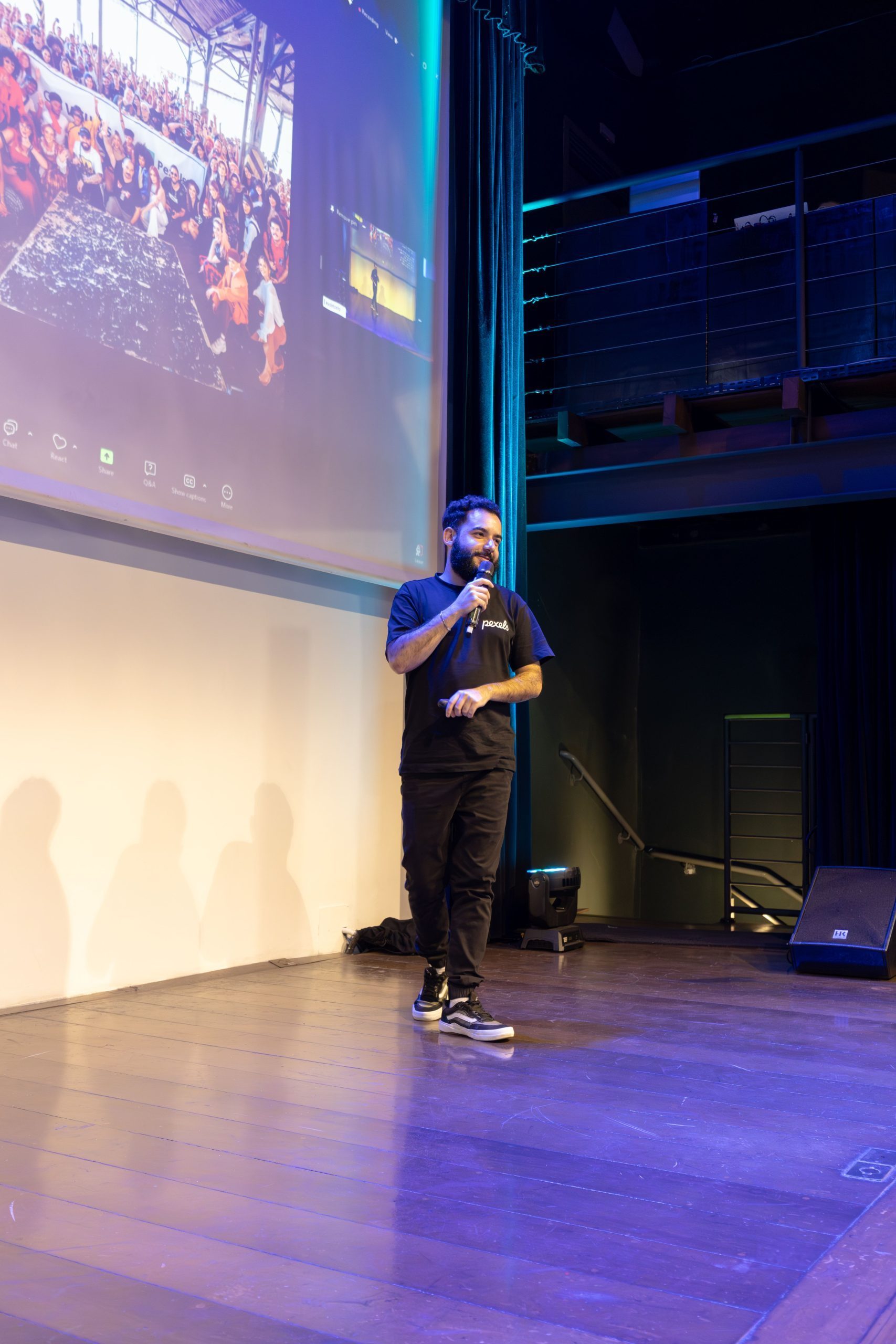
One of the most useful applications of AI in live events is audience participation.
Event organisers have long used live polls, quizzes and digital Q&A platforms. A speaker asks a question, delegates respond on their phones and the results appear on screen. AI can make that process faster and more useful.
Audience responses can be analysed in real time. Similar answers can be grouped, common themes identified and questions ranked according to what delegates care about most.
Imagine asking 500 people, “What is the biggest challenge facing your business right now?” Instead of displaying hundreds of individual responses, an AI-assisted platform can organise the answers into a small number of themes that the speaker can address immediately.
The audience is no longer simply watching the presentation. It is helping to shape the discussion.
Why Interactive Technology Still Needs Great AV
This is where the conversation needs to move beyond the AI hype.
A live poll is only useful if people can see the results. A Q&A platform is only effective if selected questions can be displayed clearly. Audience interaction loses its value if it cannot be integrated smoothly with slides, video and the wider show flow.
Questions Event Organisers Should Ask
- Where will live responses appear?
- Will they be displayed on an LED wall, projection screen or another display?
- How will the presenter or moderator see the information?
- Can the production team switch smoothly between slides, video and audience content?
- Does the venue have reliable internet connectivity?
- Who will manage and moderate the platform during the session?
- What is the fallback if the system becomes unavailable?
The audience should experience a polished event, not the technical work happening behind the scenes.
AI Behind the Scenes
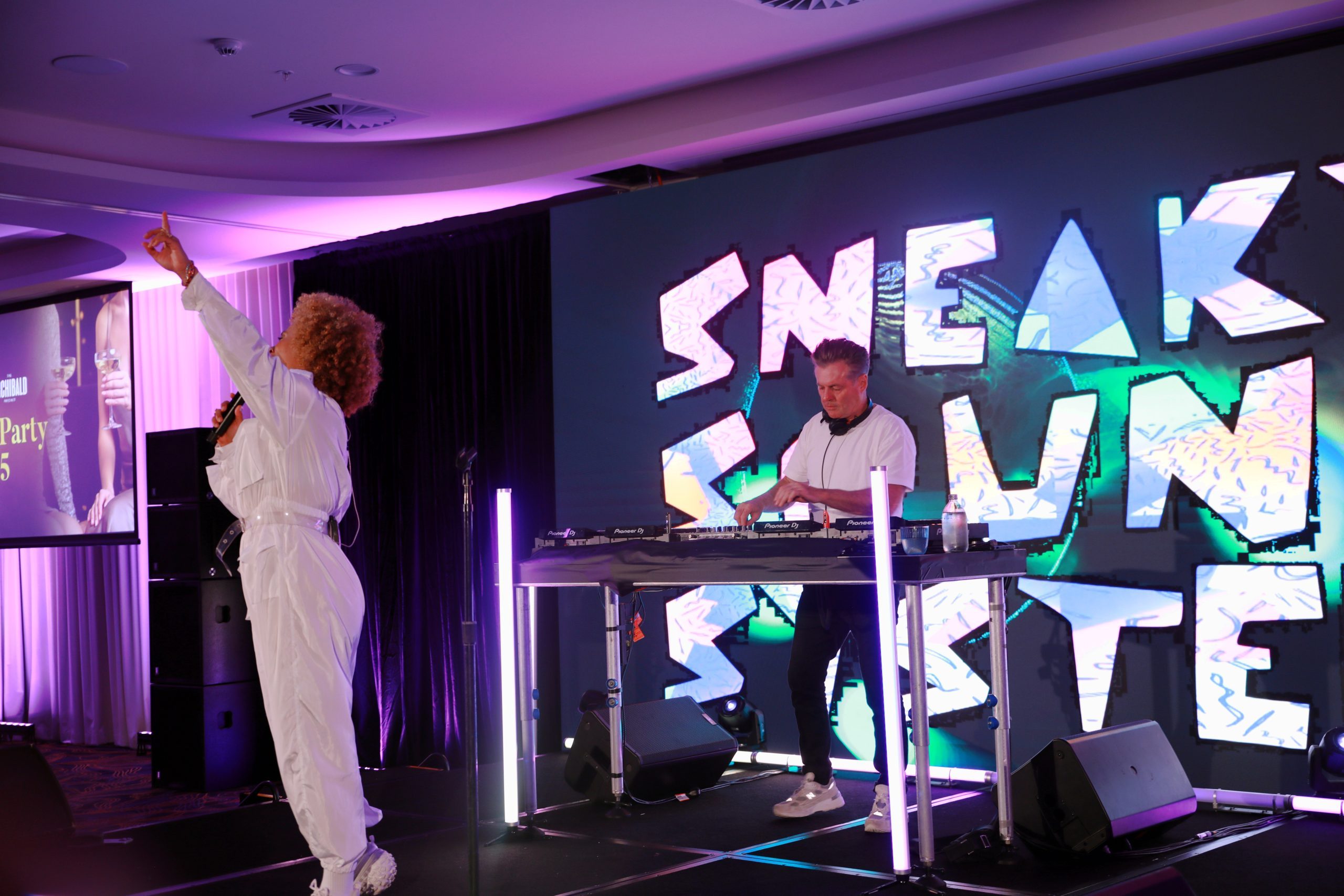
Not every use of AI needs to be visible to the audience. Some of the most useful applications happen before the event begins or within the production workflow.
AI can help teams draft polling questions, create quiz content, organise information from previous events, identify likely audience questions, summarise feedback and analyse post-event responses.
Smarter production systems can also assist with camera tracking, audio processing and automated switching between content sources. Intelligent cameras may follow a presenter as they move across the stage, while advanced audio tools can help emphasise speech and reduce unwanted background noise.
These systems still need to be configured, tested and monitored. The best use of AI in AV is likely to be technology that helps the crew work more efficiently without making the event feel more complicated.
Translation, Captions and Accessibility
AI-powered translation and captioning can make presentations more accessible to multilingual audiences and people who are deaf or hard of hearing.
Translated speech or captions may be delivered to the main event screens, individual devices or dedicated displays. The technology can be powerful, but it needs to be planned as part of the complete production.
Plan the Audience Experience
- Where will captions appear?
- Will they sit over presentation content or on a separate display?
- How will captions work with video playback?
- How will translated content be delivered to different audience groups?
- How will the system handle panel discussions, questions from the floor or rapid speaker changes?
- What happens if connectivity or the translation service fails?
The technology may be powered by AI, but the quality of the audience experience still depends on good production design.
“The best event technology is not the technology that attracts the most attention. It is the technology that solves a real problem.”
AI Cannot Fix Poor AV
The best audience engagement platform in the world will not fix poor sound. An AI-generated quiz will not help if delegates cannot read the screen. Real-time translation will not be useful if the internet connection keeps dropping. An intelligent camera still needs to be positioned, configured and tested properly.
The Fundamentals Still Matter
- Clear and reliable audio
- High-quality screens or LED walls
- Stable content playback
- Reliable internet connectivity
- A well-planned show flow
- Technical support throughout the event
- Experienced operators
- A practical backup plan
AI creates new possibilities, but it does not replace the basics of good event production.
Start With a Clear Objective
You do not need to use AI simply because it is available. Begin with the experience you want to create and the problem you need to solve.
- More audience participation: Live polling or interactive Q&A may be a good fit.
- Hundreds of incoming questions: AI-assisted grouping and moderation may help.
- An international audience: Translation and captioning may improve accessibility.
- Better audience insight: Live feedback and post-event analysis may provide useful information.
- More efficient production: Camera tracking, audio assistance or content automation may support the crew.
The rise of AI should not make live events more complicated. Used well, it should help presenters communicate, audiences participate and production teams deliver a smoother event.
Audience Interaction
Use AI to organise questions, identify themes and make live audience input easier for presenters to use.
Accessibility
Captioning and translation can extend access, but display design, audio quality and fallback planning remain essential.
Smarter Production
Camera tracking, audio tools and automated workflows can assist a crew, but they still require setup, testing and supervision.
The Bax AV View
At Bax AV, we believe technology should serve the event. That includes AI.
Our role is not to add technology simply because it is new. It is to help clients understand what is available, identify what will genuinely improve the event and integrate it into a reliable production.
That might mean supporting live polling on an LED wall, managing interactive Q&A during a large conference, integrating live audience responses into a presentation or using real-time captions and translation to improve accessibility.
It may also mean deciding that a particular AI tool is unnecessary. The best technology is the technology that solves a problem.
Event Objective
We begin with the result you want for the audience, presenter and organiser.
Production Integration
We plan how the platform will work with screens, audio, content, show calling and presenter confidence displays.
Reliability
We consider connectivity, moderation, operator responsibilities and practical fallback options.
Clear Advice
We recommend tools when they improve the event, not simply because they are trending.
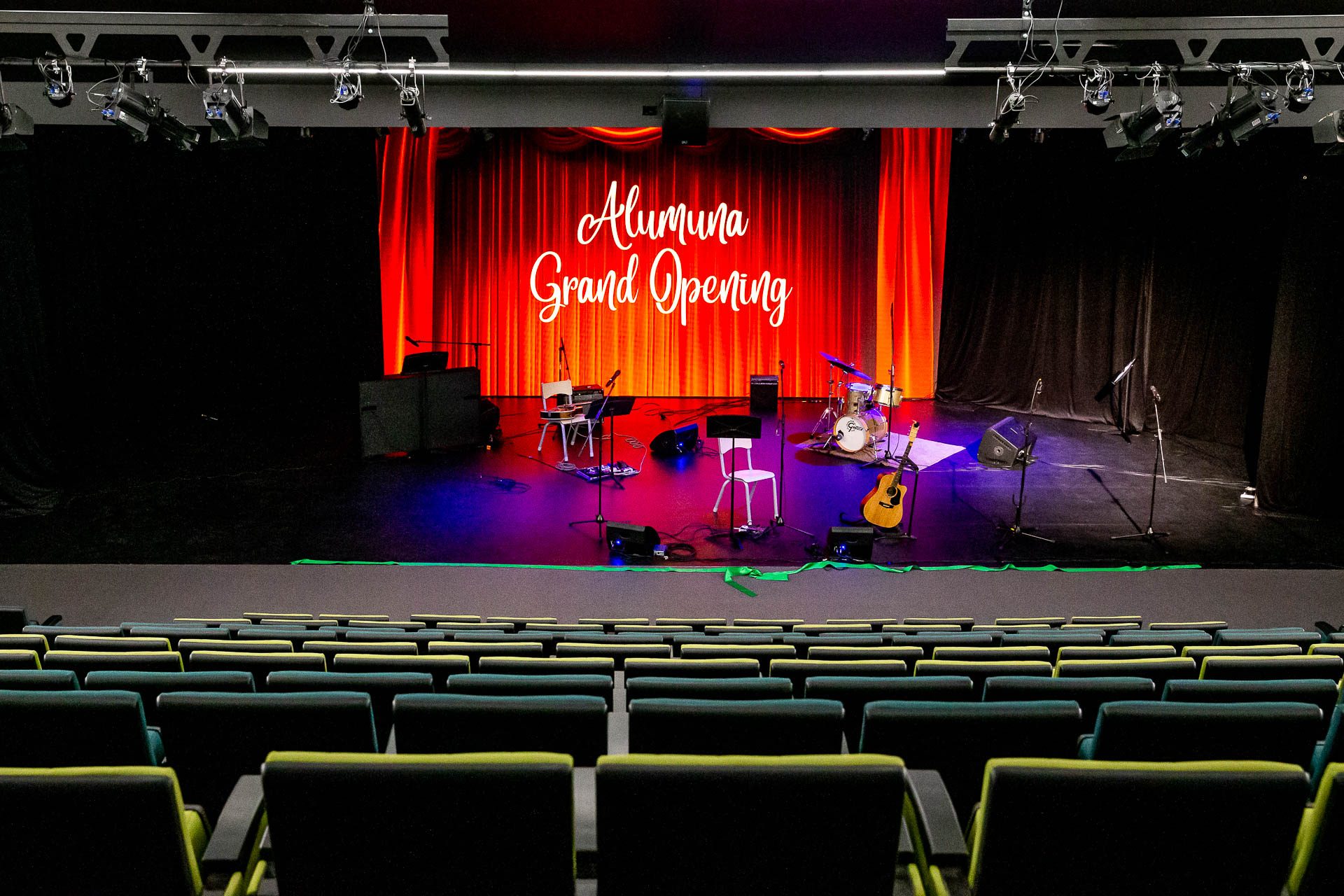
Planning an AI-Enabled Event?
Talk to Bax AV about audience engagement, captions, translation, conference production and the AV infrastructure needed to make new technology work reliably.
Planning An Event?
Tell us about your event and we’ll prepare a tailored production proposal.
Event Budget Estimator
Get an indicative production budget
Answer five quick questions and we’ll generate a starting budget range for your event.
Where is your event?
What type of event are you planning?
How many delegates?
How many event days?
Production Finish
Choose the level of production finish you're aiming for. We'll fine-tune the details with you once we understand your event.
Most conferences and corporate business events.
Your indicative range is ready
Enter your details to view your indicative range. This is a planning guide only — the Bax AV team can help refine the details once we understand your event properly.
Thanks — your estimate is ready.
This indicative range is now shown above. It has also been captured for the Bax AV team so we can help refine the details with you.